Real situations, real numbers, and what to do about them. Tap any article below to read it in full, with FAQ and free quote at the end.
It’s the end of a busy shift, the fryer is still warm, and dumping the used cooking oil down the nearest drain feels like the fastest way to finish up. It isn’t. Pouring used cooking oil down the drain is one of the most expensive mistakes a Rhode Island kitchen can make. As the oil cools, it hardens, coats your pipes, and builds up until water cannot get through. What starts as a quick shortcut turns into clogged drains, backed up sinks, foul odors, and a plumbing bill nobody saw coming. On top of that, improper disposal can put you on the wrong side of state regulations and health inspectors. The good news is that handling used cooking oil the right way is simple, and it can even pay you back. In this guide we’ll break down exactly what happens when oil goes down the drain, why it’s such a problem in commercial kitchens, and the easy way to get rid of it instead.
Used cooking oil might pour like water when it’s hot, but it doesn’t stay that way. Once it cools inside your pipes, it thickens into a sticky, waxy layer that clings to the walls of the drain. Every time you rinse more grease down, that layer grows. Eventually it traps food scraps, soap, and debris, forming a solid blockage that water simply cannot pass.
This is how grease clogs form, and they are stubborn. A plunger will not fix it, and store bought drain cleaner usually will not either. In a busy commercial kitchen, where gallons of oil move through every week, the buildup happens fast. That is why oil belongs in a collection container, never in your sink, floor drain, or grease trap overflow.
Pouring oil down the drain rarely causes trouble on day one. The damage adds up quietly, then hits all at once. First come slow drains and bad smells. Then a full backup during your busiest service, which can shut the kitchen down on the spot. Emergency plumbing calls are not cheap, and repeat clogs mean repeat bills.
Outside your walls, grease that reaches the public sewer can cause overflows that the city traces straight back to your business, sometimes with fines attached. Add in a failed health inspection, and one small habit ends up costing thousands. Compare that to a scheduled oil pickup that keeps your drains clear and your records clean, and the smart choice gets obvious fast.
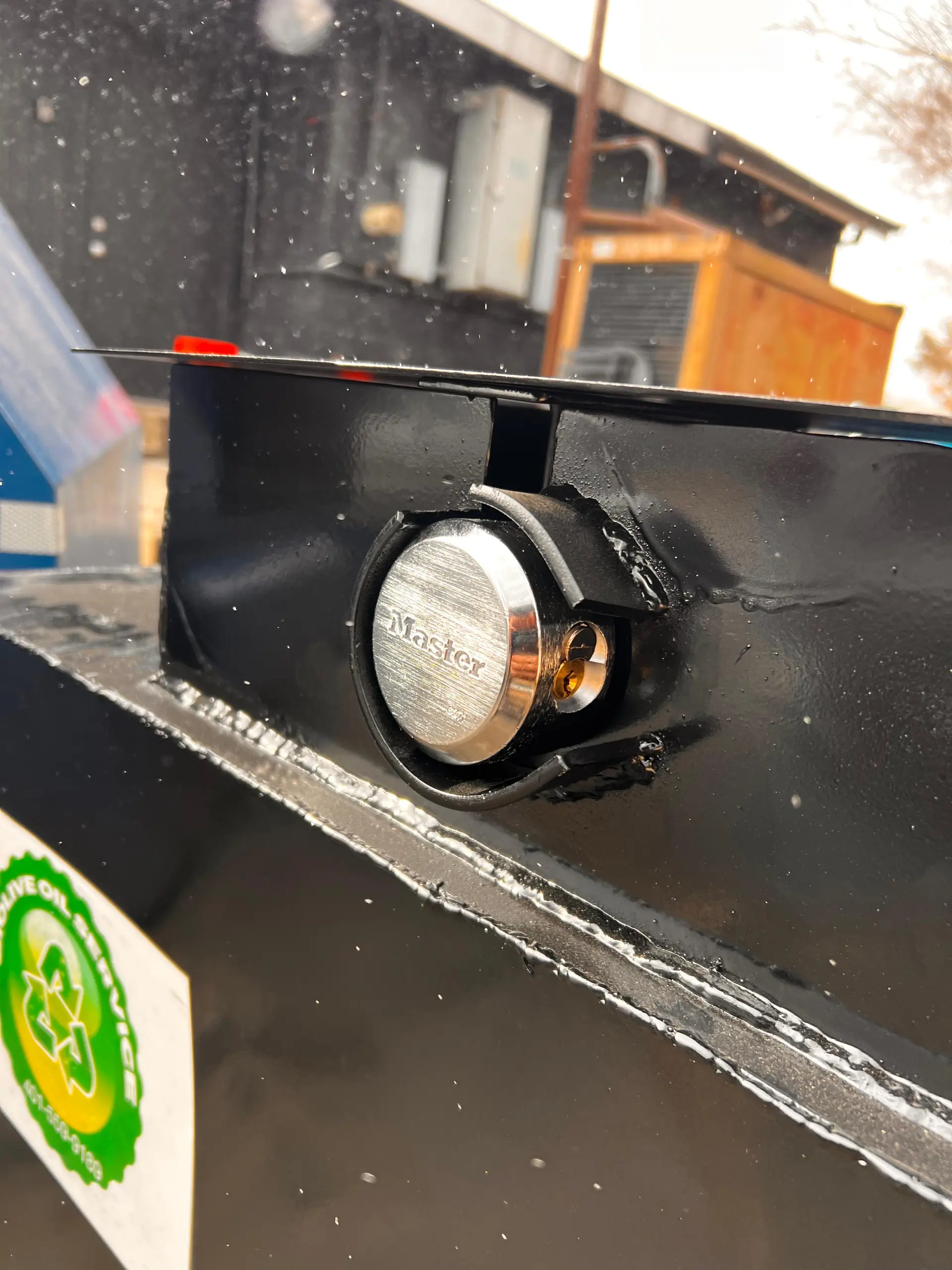
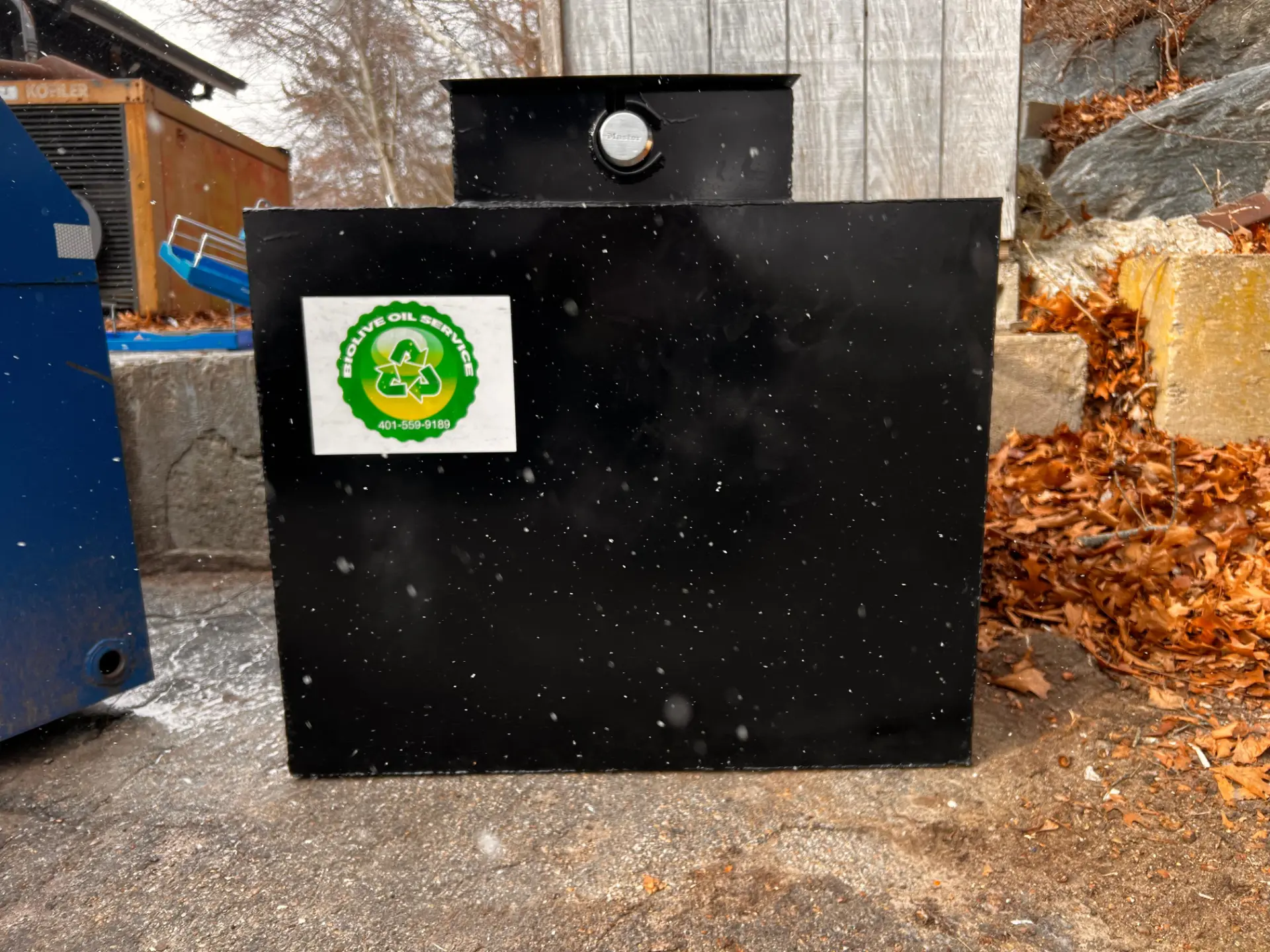
The right way is easier than the wrong way, and it does not involve your plumbing at all. Pour cooled used cooking oil into a dedicated storage container, keep it sealed, and have a licensed collector pick it up on a regular schedule. A good collection service drops off the container at no cost, sets a pickup routine around how much oil you produce, and hauls it away before it ever overflows.
From there, the oil gets recycled into biodiesel and other useful products instead of clogging a sewer. In Rhode Island, BioLive handles this entire process, and pays you a fair price on every gallon collected. So instead of paying a plumber, you actually earn money on the oil you used to throw away.
Handling oil properly does more than protect your pipes. It keeps your kitchen cleaner, your floors safer, and your team focused on cooking instead of mopping up grease. It also keeps you compliant. State rules expect used cooking oil to be stored and removed responsibly, and a documented pickup gives you proof that you are doing exactly that.
When a health inspector or fire marshal asks, you have a clear paper trail showing the dates and volumes collected. That kind of record can be the difference between passing an inspection and facing a fine. Bottom line: the drain is never the answer. A simple collection routine protects your building, your budget, and your reputation, all at once.
Stop risking your drains and your budget. BioLive collects your used cooking oil, pays you fairly, and keeps your Rhode Island kitchen clean and compliant.

If your kitchen produces used cooking oil, you’ve probably been pitched by more than one collection service, and they all sound about the same. They’re not. Choosing the right used cooking oil collection service in Rhode Island affects your costs, your compliance, and even your bottom line, since the best collectors actually pay you. Pick the wrong one and you deal with missed pickups, overflowing tanks, surprise charges, and oil that may not be handled legally. Pick the right one and the whole thing runs in the background, clean and reliable, while a check shows up on schedule. The tricky part is that most kitchens do not know what separates a solid collector from a sloppy one. So in this guide we’ll walk through exactly what to compare, the red flags to avoid, and the questions worth asking before you sign anything. By the end you’ll know how to choose a partner that protects your kitchen instead of creating headaches.
The single most important thing a collector can offer is showing up when they say they will. An unreliable service leaves you with full tanks, bad smells, and emergency calls during your busiest nights. Before you commit, ask how they schedule pickups.
The best collectors track your volume and run a routine route, so you never have to call and beg. Ask whether they monitor tank levels, how quickly they respond when something is off, and what happens if a tank fills early. A collector that treats pickups as an afterthought will cost you in downtime and stress. One that builds a schedule around your kitchen keeps everything quietly running, week after week.
This one is not optional. Used cooking oil is regulated waste, and a collector that handles it without the proper license or insurance becomes your problem the moment something goes wrong. Always confirm that the company is licensed to collect and transport used cooking oil and that it carries insurance.
Ask whether they document each pickup with dates and volumes, because that paper trail is what protects you during a health or fire inspection. A legitimate collector will share this without hesitation. If a company dodges the question or cannot show proof, walk away. The few dollars you might save with an unlicensed hauler are nothing next to the fines and liability you take on if that oil is dumped improperly.
Used cooking oil has real value, and a good collector pays you on it instead of charging you to haul it away. This is where services differ the most. Some pay nothing. Some pay a low flat rate. The best pay a competitive price on every gallon and send you a clear statement showing the date, the amount collected, and what you earned.
When you compare offers, look past the headline number and ask how the price is set, how often it updates, and how you get paid. Also ask about the container. A strong collector drops off a durable storage container at no cost and keeps it maintained. Add the payment and the free container together, and the right service can turn a waste problem into a small revenue stream.
Oil pickup is just one piece of keeping a commercial kitchen clean and compliant. The strongest collectors do more, which saves you from juggling three or four different vendors. Ask whether they also handle grease trap cleaning, kitchen hood cleaning, recycling, and proper disposal.
A single company that covers all of it gives you one schedule, one point of contact, and one set of records when an inspector shows up. Some even offer smart tank monitoring, so you get alerts before a tank fills. In Rhode Island, BioLive bundles collection, recycling, disposal, grease trap cleaning, and hood cleaning under one roof, which is exactly the kind of range worth having. Fewer vendors means fewer headaches and more consistency overall.
Comparing collectors? Start with BioLive. We pay you fairly, show up on schedule, and handle the whole job, from pickup to recycling, in Rhode Island.
If you run a restaurant in Rhode Island, grease trap cleaning is one of those costs you cannot skip, but it’s hard to pin down a price online. That’s because grease trap cleaning cost in Rhode Island is not one flat number. It moves with the size of your trap, how fast it fills, where you’re located, and the shape it’s in when the truck arrives. A small under sink trap at a quiet cafe is a very different job from a large in ground interceptor at a busy steakhouse. Anyone who quotes you an exact price before seeing your setup is guessing. Still, you deserve to know what you’re paying and why. So in this guide we’ll explain the main things that drive the cost, how often you actually need service, and how to get a quote you can trust, without surprise charges tacked on later. Spend a few minutes here and you’ll walk into your next estimate knowing exactly what to ask.
A few factors set the price more than anything else. The first is size. A small trap holds less and takes less time, while a large interceptor needs more labor and hauls away far more waste. The second is frequency. A trap cleaned on a regular schedule stays manageable, but one that’s left too long hardens and takes extra work to clear.
The third is condition and access. A trap buried under equipment or out in a tight alley is tougher to service than one that’s easy to reach. Finally, location and disposal fees play a role, since the waste has to be transported and processed legally. Put together, these factors explain why two restaurants down the street can pay very different amounts.
Cleaning frequency is the biggest lever on your long term cost, and most kitchens get it wrong in one direction or the other. Clean too rarely and the trap overflows, backs up your drains, and triggers emergency calls and possible fines, all of which cost far more than routine service. Clean too often and you’re spending money you did not need to.
The right interval depends on how much grease your kitchen produces and the size of your trap. A high volume restaurant might need monthly service, while a smaller operation could go longer. A good service provider helps you dial in the right schedule based on how your trap actually fills, then sticks to it. That steady rhythm keeps both your plumbing and your budget under control.
It’s tempting to stretch the time between cleanings to save a little, but a neglected grease trap gets expensive fast. Once it overflows, you’re looking at backed up sinks, foul odors that drive customers away, and a kitchen that may have to close mid service. Emergency cleanouts cost more than scheduled visits, and repeated clogs can damage your plumbing.
Then there’s compliance. Health inspectors and local rules expect a clean, working trap, and a failed inspection can mean fines or even a temporary shutdown. When you add up the emergency bills, lost business, and penalties, skipping routine service almost always costs more than just keeping up with it. Regular cleaning is the cheap option, even when it does not feel that way.
The only way to know your real cost is a proper estimate, and getting one is simple. Reach out to a local provider, describe your trap size and type if you know them, and let them take a look. A trustworthy company gives you a clear, written quote with no hidden fees, and explains what is included: the cleaning, the pumping, the disposal, and the documentation.
Be wary of any quote that seems oddly low, since it may leave out disposal or tack on charges later. Ask whether the price covers a full pump out and a service record you can show an inspector. In Rhode Island, BioLive offers free estimates and flat, upfront pricing on grease trap cleaning, so you know the number before any work begins.
Skip the guesswork. BioLive gives you a free, upfront quote on grease trap cleaning in Rhode Island, with no hidden fees and no surprises.
